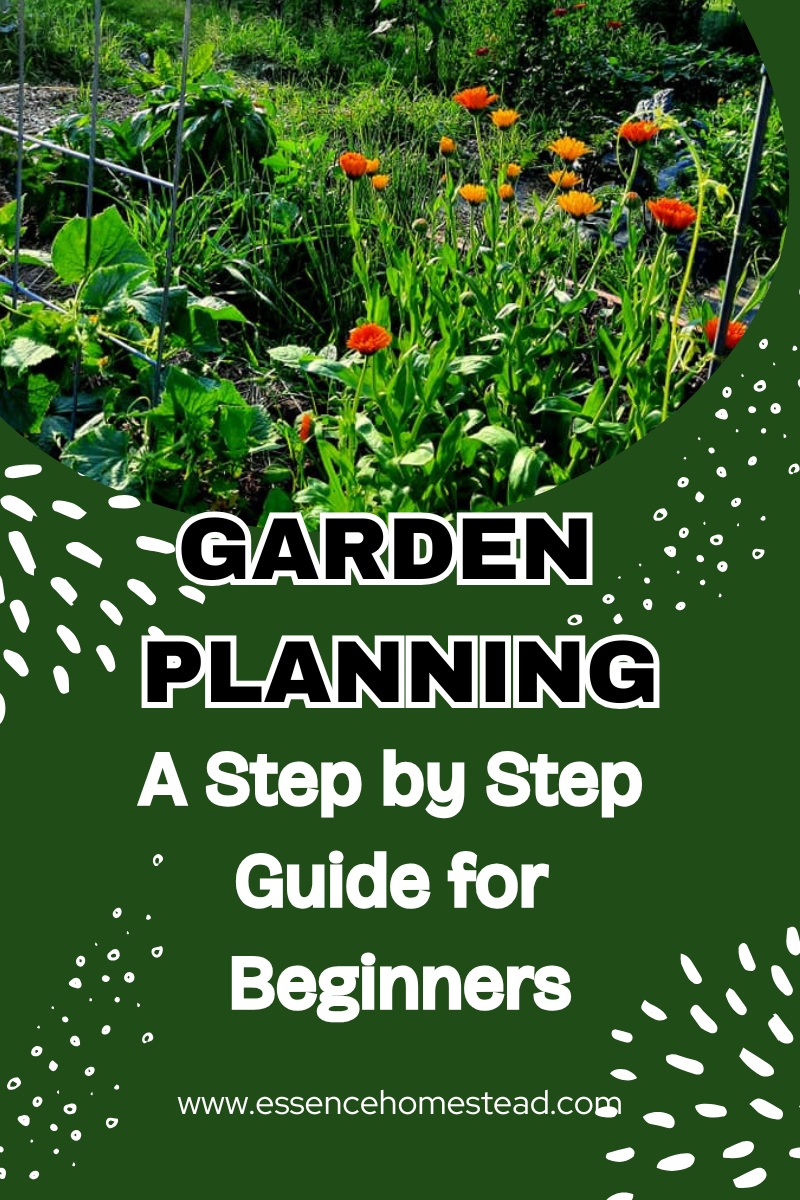
Winter can be a good time to start planning a new garden space. Whether a seasoned or beginning gardener, taking time to dream of the season to come can save time and money later. In this guide, I’ll walk you through the essential steps to create a thriving garden that fits your space, goals, and lifestyle.
Step 1: Assess Your Space and Sunlight
Before you start planting, take a good look at your garden space. Ask yourself a few of these questions:
- Is the soil well-draining or prone to being extra wet?
- How do I fit this space into my lifestyle and how big do I make it?
- How much sunlight does the area receive each day?
- What is the budget and what do I want to add to the space?
Start out your garden planning by taking a look at the space you hope to turn into a garden. Getting to know the space and what you hope to make it into is the most important step in planning. In Permaculture, it is good practice to watch new land through all of the seasons, to really get an idea of the space you are working with. In one season, say late summer, a spot might seem ideal for a garden plot. Then spring rolls around, and that space may be on a spot that floods due to snow pack. Taking the time to choose your ideal location will save you time and money in the long run.
Next plan your garden in a way that works for your lifestyle. Do you want to create a wild flower garden that you can sit near and sip tea? Or do you want a high production vegetable garden to grow your own seasonal produce? Do you need a space to let your kids or pets play or can you fill the entire space with plants? Do you need space for a bonfire pit or grilling area? You have all the power to make the space of your dreams. Being realistic about the amount of time you have to maintain and care for a garden should considered when deciding how big of a space to create.
Consider the amount of light your space has to offer. Most plants need a lot of sun exposure to thrive. Plants that are described as a “Full Sun” variety, need approximately 6+ hours of direct light to really thrive. This does not mean that they will up and die on you with less light. Though, they may not bloom as well, or may become weak or leggy.
Pro Tip: Use a sun calculator app or simply observe your space throughout the day in different seasons to determine sun exposure. Keeping in mind that if trees are just starting to bud out that they will indeed create more shade as leaves mature.
Take a look at your budget and what things need to be purchased to make your dream garden. Let’s face it, prices are high on just about everything. You can be as thrifty as you want when creating your garden. Simple things like creating hugelkulture mounds instead of raised garden boxes; or using natural branches to create arches instead of panels can save money where it counts. Another idea to save money, is to use woodchips (Check out ChipDrop) instead of adding stone or pavers. Really consider where you can save money, while still creating the look and feel you desire in your new space.
Step 2: Choose the Right Plants for Your Climate
Not all plants thrive in every climate. Research your USDA hardiness zone to determine which plants are best suited for your area. The zones explain your coldest expected temperatures to know what plants are hardy enough to survive your winters. Perennials are plants that you place once and they grow back year after year. Annuals are plants that will die of over winter and would need to be replanted. Other plants are Self Seeding, this means if they get to maturity their blooms will drop seeds that will sprout, ask me about my thousands of cilantro plants. Here are some easy to grow plants for veggie, herb or flower gardens:
- Vegetables: Tomatoes, zucchini, lettuce, and radishes.
- Herbs: Basil, mint, parsley, and thyme.
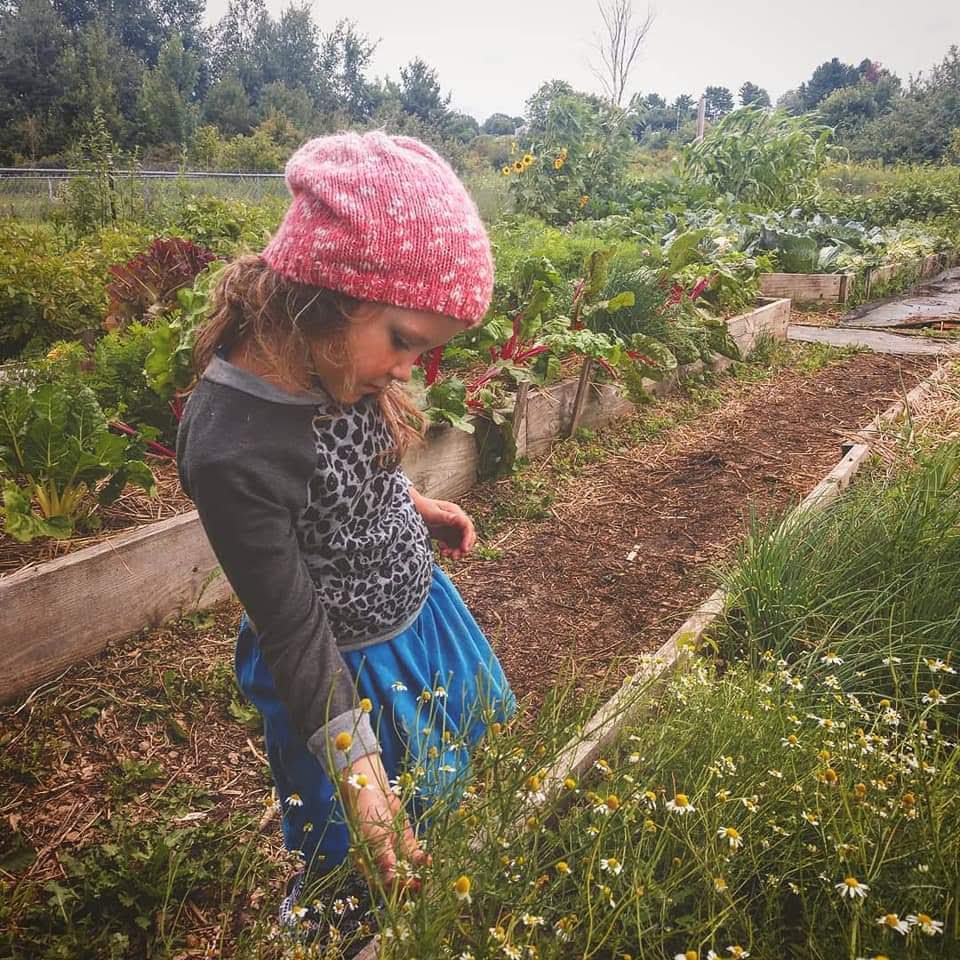
- Flowers: Marigolds, sunflowers, and zinnias (great for attracting pollinators!).

Step 3: Create a Garden Layout
Pro Tip: Check seed packets or plant tags for information on growing conditions and maturity dates to make sure they will get to maturity on your property before your first frost. Most greenhouses do a good job of supplying perennials that are hardy for their area, but not all, so make sure you are checking tags.
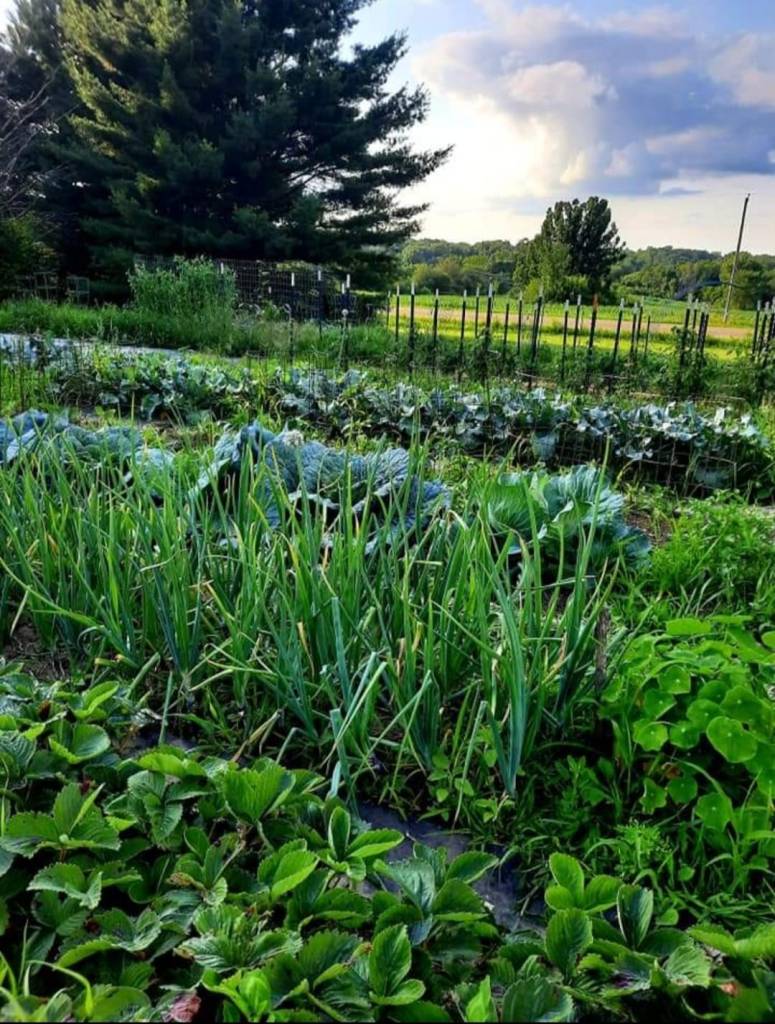
Sketch out a rough plan of your garden, keeping these factors in mind:
- Infrastructure: Map out where your raised beds, arches or any other infrastructure will be located. Make sure to map them out with the proper dimensions.
- Companion Planting: Some plants grow better together (e.g., tomatoes and basil), while others should be kept apart (e.g., potatoes and tomatoes).
- Plant Spacing: Give each plant enough room to grow. Overcrowding can lead to poor air circulation and disease. Too much space leaves room for weeds to flourish.
- Accessibility: Leave space for pathways so you can easily water, weed, and harvest.
Pro Tip: Use graph paper or a garden planning app to visualize your layout.
Step 4: Prepare Your Soil
Healthy soil is the foundation of a successful garden. If you feel like your soil is not ideal, start by testing your soil’s pH and nutrient levels. Kits are available at garden centers. Local agriculture extensions also usually have tests and information available for working with soil in your area.
To improve your soil:
- Add compost or well-rotted manure for nutrients. Note that fresh manures can ‘burn’ plants, so make sure it is no longer ‘hot’.
- Use mulch to retain moisture and suppress weeds.
- Consider raised beds if your soil is poor or compacted.
- If you want protect and amend soil naturally look into the use of cover crops and crop rotation.
There is no right or wrong way to prepare your soil. There are many opinions and styles on the internet with arguments about what style is ‘best’. Some argue no-till is best, others swear by tilling each season, or just using raised beds. Experiment with what works best for you and your space, and learn as you go!
Step 5: Start Planting!
Once your soil is ready and it is the proper time of the season, start to plant! Most people think they can only start there gardens in the spring time, but that is false. Many gardeners plant throughout the entire season. Some wildflowers seeds should be cast out in areas during the winter. Certain trees, shrubs and bulbs do best planted in the fall. Follow these tips for success with common flowers and vegetables:
- Direct Sowing: Plant seeds like radishes, carrots, corn, zinnias, and beans directly in the garden after the fear of frost in the spring.
- Transplants: Start tender plants like tomatoes, peppers, herbs and flowers with longer growing times indoors or purchase seedlings from a local nursery. Make sure to ‘harden off’ plants before directly planting them in your gardens.
- Watering: Keeping the soil moist will give seeds proper conditions to sprout and for transplants to set new root growth.
Pro Tip: Label your plants with stakes or markers to keep track of what’s growing where….seriously…. you may think you will remember what you planted where… but you will forget!
Step 6: Maintain and Enjoy Your Garden
Gardening is an ongoing process, but the rewards are worth it! Here’s how to keep your garden thriving:
- Water Regularly: If you are not getting ample rainfall, aim for deep, consistent watering rather than frequent shallow watering.
- Weed Often: Remove weeds before they take over, and if you fail at this step, know that you are not alone.
- Monitor for Pests: Check plants regularly for signs of pests or disease. Watch for eaten leaves or things that are yellowing, drying or wilting.
Pro Tip: Take time to enjoy your garden—whether it’s harvesting your first tomato or simply sitting among the flowers. You spending more time in your garden will help you to notice differences in plant health.
With a little planning and preparation, you can create a garden that brings joy, beauty, and maybe fresh produce to your life. Remember, gardening is a journey, so don’t be afraid to experiment and learn as you go. Try new things, push the limits on plant varieties to see if there are exceptions that thrive in your garden.
What style of garden are planning on creating this year?
Happy planting!
 Essence Homestead
Leave a comment